Asia-Pacific Shipping Network Upgrade: Carriers Expand Routes & Fleet Capacity in 2026

Global shipping giants continue expanding Asia-Pacific capacity by launching new intra-Asia routes and eco-friendly vessels. Port upgrades and RCEP trade growth further optimize re

2026.07.02 · 8 Reads · Source: 邦谷环球投研
Asia-Pacific Shipping Network Upgrade: Carriers Expand Routes & Fleet Capacity in 2026

I. Leading Shipping Carriers Launch & Upgrade Regional Routes to Strengthen Asia-Pacific Maritime Connectivity

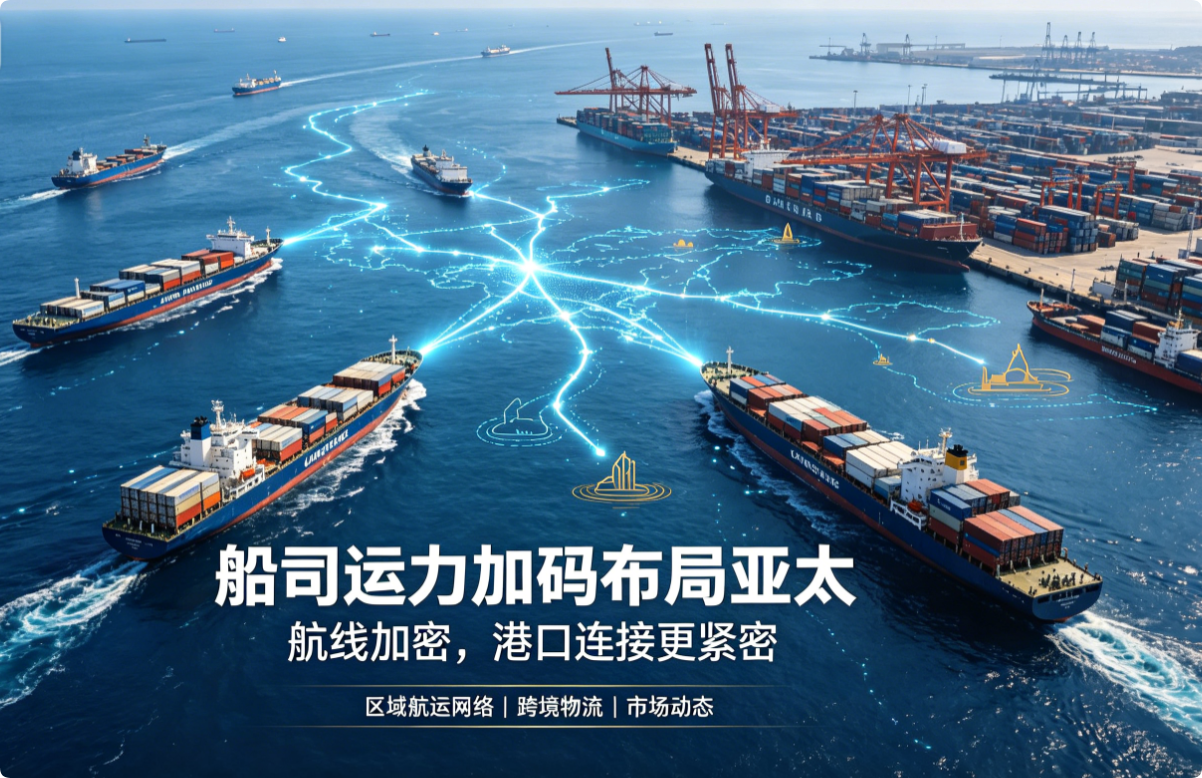
Since 2026, major shipping giants including MSC, Maersk, COSCO Shipping and CMA CGM have rolled out optimized Asia-Pacific route plans by launching numerous weekly near-shore express services, focusing on key trade lanes connecting China with Vietnam, Thailand, Indonesia, Singapore, Bangladesh and other markets.
Mediterranean Shipping Company (MSC) launched the brand-new standalone FIREHORSE regional service linking major ports including Shanghai, Ningbo, Singapore, Surabaya and Semarang. Meanwhile, the carrier upgraded eight intra-Asia routes such as SEAGULL, SEAHORSE and SAOLA to shorten regional transit time and secure stable space supply for small and medium-sized foreign trade enterprises.
The Ocean Alliance also updated its Asia-Pacific shipping network, upgrading Southeast Asian ports including Haiphong in Vietnam and Laem Chabang in Thailand into ocean-going origin hubs. The coverage of regional routes has expanded by more than 30%, with a sharp rise in direct sailings between Northeast Asia and Southeast Asia that greatly cuts cargo waiting time for transshipment.
QQ20260702-144623.png

II. Accelerated Fleet Renewal: Capacity Expansion in Both Container and Dry Bulk Sectors

Alongside the continuous capacity increase in container shipping, dry bulk carriers have also embarked on large-scale capacity expansion. As a leading domestic shipping enterprise, Seacon Shipping secured orders for six 63,800 DWT eco-friendly bulk carriers at a total investment of USD 198.6 million. These new vessels will be delivered in batches from 2027, mainly serving the seaborne transportation of bulk commodities including coal, grain and construction materials to support imports and exports of raw materials for infrastructure and manufacturing sectors across Southeast Asia.
Many regional shipping firms have signed contracts to build energy-efficient 1,900 TEU feeder container ships while phasing out ageing high-emission vessels. All new ships comply with the CII carbon emission efficiency rating set by the International Maritime Organization (IMO), meeting the compliance requirements of the EU Carbon Border Adjustment Mechanism (CBAM). The new tonnage enriches the feeder capacity portfolio in the Asia-Pacific region and helps ease space shortages during peak shipping seasons.

III. Upgraded Port Infrastructure Consolidates the Capacity of Regional Shipping Hubs

Against the backdrop of large-scale capacity deployment, major Asia-Pacific ports have rolled out automation upgrades and berth expansion projects. Singapore has further cemented its position as a core transshipment hub along the Strait of Malacca by optimizing supporting services including bunkering, container storage and ship repair. Ports in Thailand, Malaysia, Indonesia and other countries have completed intelligent terminal renovations, with moderate increases in terminal handling charges to fund infrastructure upgrades and lift overall port throughput.
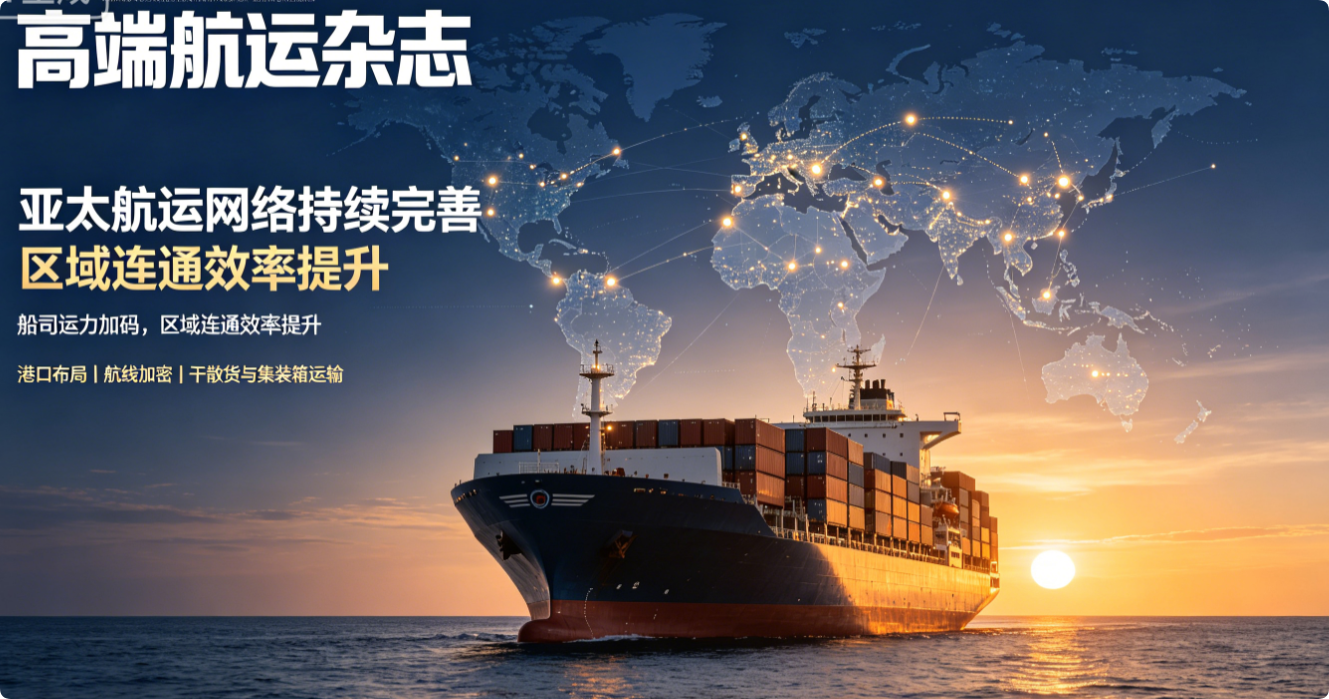
Driven by the China-Laos Railway and Pan-Asia Railway, sea-rail intermodal transport has gained rapid popularity. The originally coastal-focused maritime network now extends to inland cities across the Asia-Pacific, broadening route coverage and stretching regional shipping links from coastal hubs deep into inland hinterlands.
QQ20260702-143942.png

IV. Strategic Shift in Shipping Driven by Restructured Global Trade Chains

The concentrated capacity rollout across the Asia-Pacific region is mainly fueled by the nearshoring trend of global supply chains. Massive industrial capacity has relocated to ASEAN nations such as Vietnam, Indonesia and Thailand, pushing up cross-border flows of raw materials, semi-finished and finished goods. The dividend brought by RCEP tariff reductions has been fully unleashed in 2026, generating robust demand for intra-regional short-sea shipping.
Industry institutions forecast that container freight volume within the Asia-Pacific region will maintain an annual growth rate of over 6% in the next three years. By deeply engaging in regional route deployment, shipping carriers can hedge against drastic freight volatility on long-haul ocean trades, secure stable cargo volumes via dense regional networks and strengthen their resilience against cyclical market risks.

V. Industry Outlook

The Asia-Pacific shipping market is poised to enter its traditional peak season driven by pre-holiday export shipments to Europe and the United States in the third quarter. Sufficient newly added capacity will effectively curb steep freight hikes and container space shortages. Going forward, shipping companies will pursue refined route planning, low-carbon fleet transformation and integrated logistics services. With an increasingly sophisticated regional maritime network, the Asia-Pacific region will further unlock its economic and trade potential and consolidate its status as the global core hub of shipping.

Related Articles